Writing
Plain-English notes on phishing for small businesses
Short articles for owners and managers of small and growing businesses: how phishing, phone scams and fake invoices really work, and what to do about them this week. The most recent was published on 30 October 2026.
9 articles since June 2026 · Follow on LinkedIn ↗
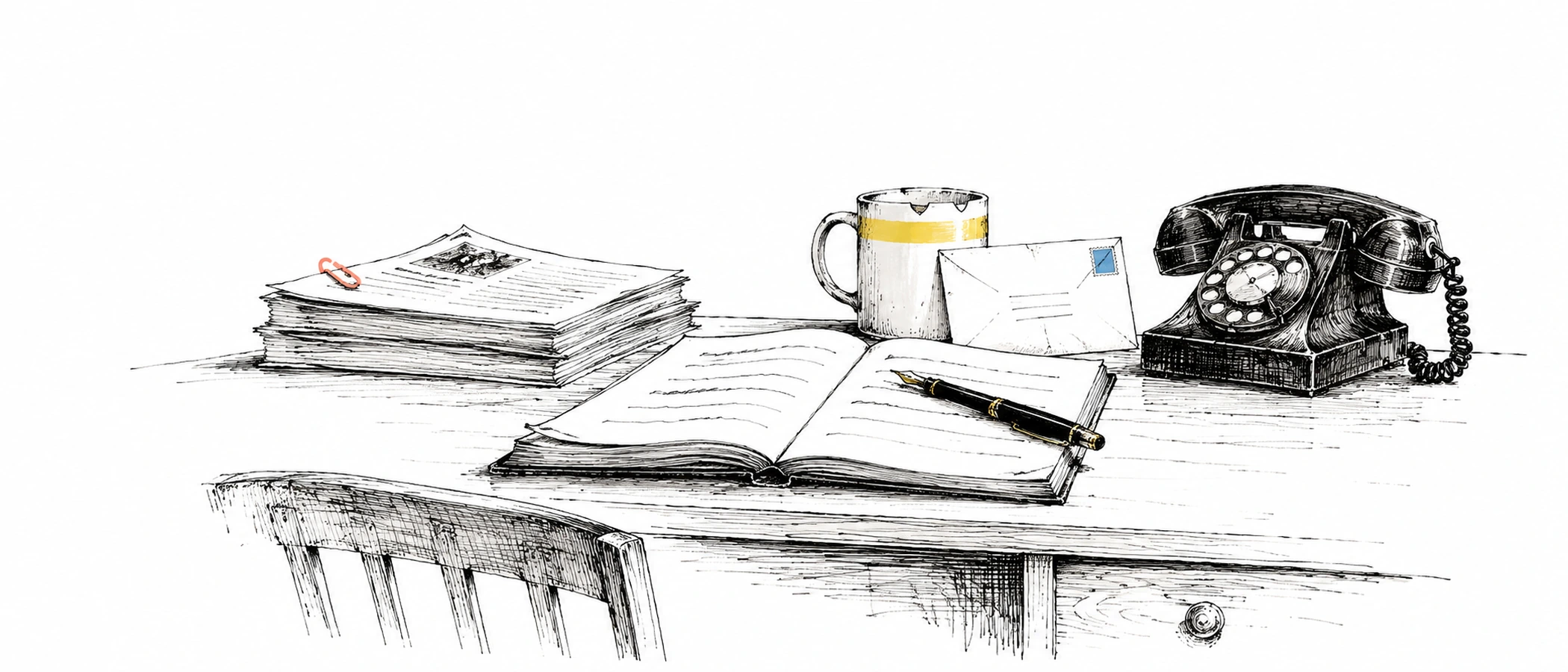
Have You Tried Hanging Up and Ringing Back?
A “help desk” rings, knows your IT manager’s name and says your account locks at five. The phone scam hitting law and finance firms, and the one sentence that stops it: “I’ll ring you back.”
Vishing
October 2026
Invoice Fraud Has a New Target: The AI in Your Inbox
A fake CEO email now carries a hidden instruction for your AI assistant as well as your finance team. Four questions every business using AI in its inbox should ask this week.
Fraud
The calendar crook
Bonus letters, year-end invoices, access reviews and tax deadlines. Scammers don’t invent urgency, they borrow yours. Five dates they have circled, and how to spoil them.
Phishing
The scariest phishing email isn’t clever. It’s routine.
The latest hosting scam went after shared inboxes like admin@ and office@, not the boss. That inbox may control your domain, website and email. Who owns yours?
Phishing
What Sitemaps Can Tell You: An OSINT Look at Digital Decay
I crawled 26,960 URLs across 41 small web agencies and found 49% contradicting themselves. What an out-of-date website quietly gives away about your business.
OSINT
September 2026
The emails we trust most are the ones nobody seems to have written
A fake voicemail transcript reached more than 7,800 organisations in two weeks, with no urgency and no demand for money. Why we trust automated messages, and three questions for owners.
Trust
July 2026
The Mouse That Phishes
A €5 Bluetooth gadget shows how easily a name on a screen earns trust. Four low-cost rules that close the gap in any office.
Trust
June 2026
People, Not Percentages
Your phishing test’s click rate is noisy. Three questions that show why your people clicked, and which story about your business an attacker is borrowing.
Measurement
The Phishing Techniques I Still See Working in 2026
QR codes, a switch from email to text, and fake Teams invites: three phishing techniques built for the phone in your staff’s pocket, and why they work.
Phishing
Want this applied to your business?
Every article here comes from real testing work. If one of these sounds like your risk, let’s talk about a short, authorised exercise that shows how your own people would respond.